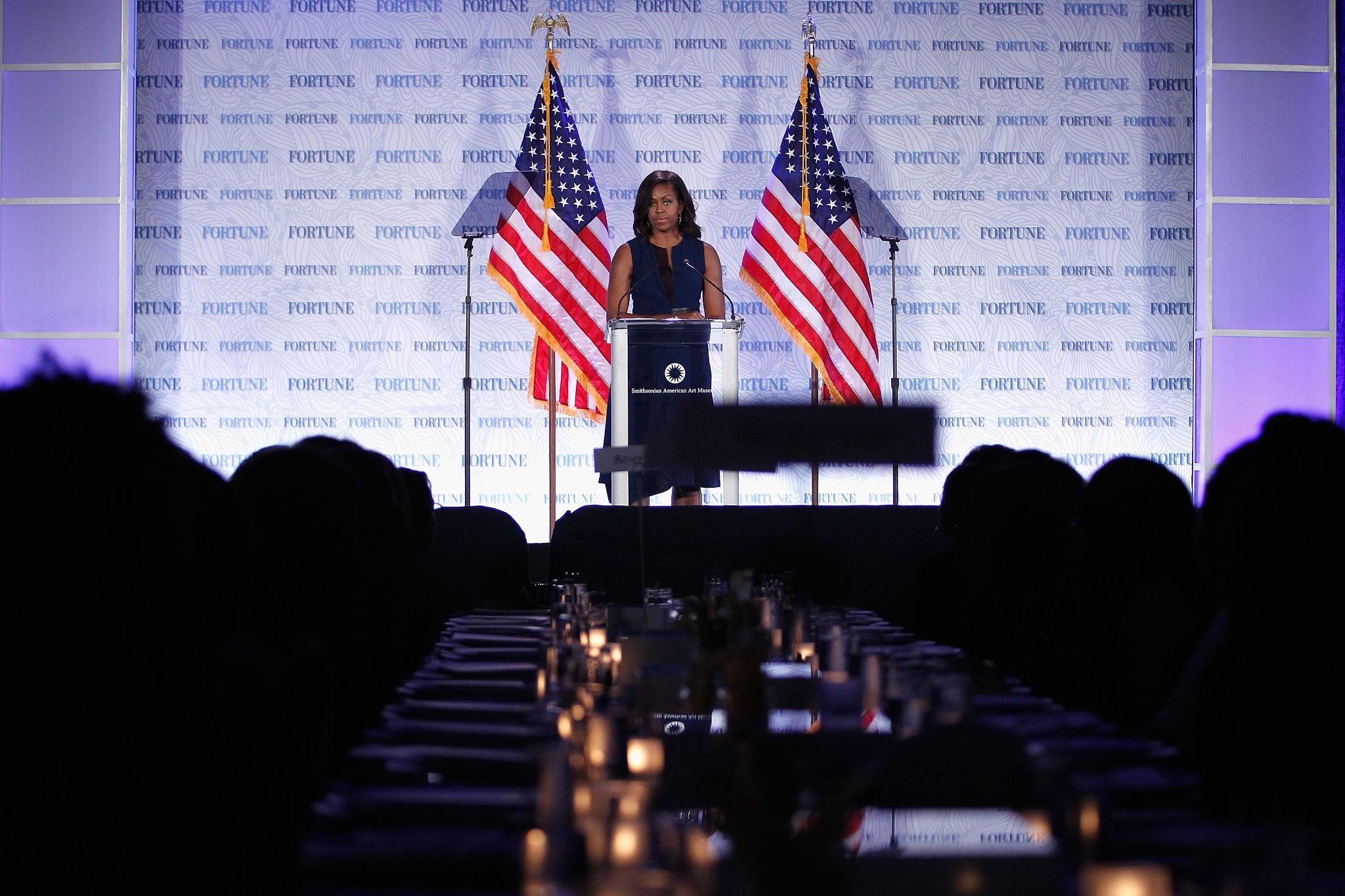
A Voice That Refuses to Be Silenced
There are very few people on this planet who can walk into a room and make every single person stop what they are doing. Michelle Obama is one of those people. Not because she demands attention, but because she commands it naturally — through the way she carries herself, the words she chooses, and the unapologetic pride she takes in being exactly who she is. When Michelle Obama said, “As a First Lady, I showed that you can be smart, beautiful, and a Black woman,” she was not simply reflecting on her years at the White House. She was sending a direct message to every young girl of color who has ever felt that she does not quite fit the mold that society has drawn for her. She was saying, in plain terms: I fit no one’s mold, and neither should you.
Growing Up on the South Side
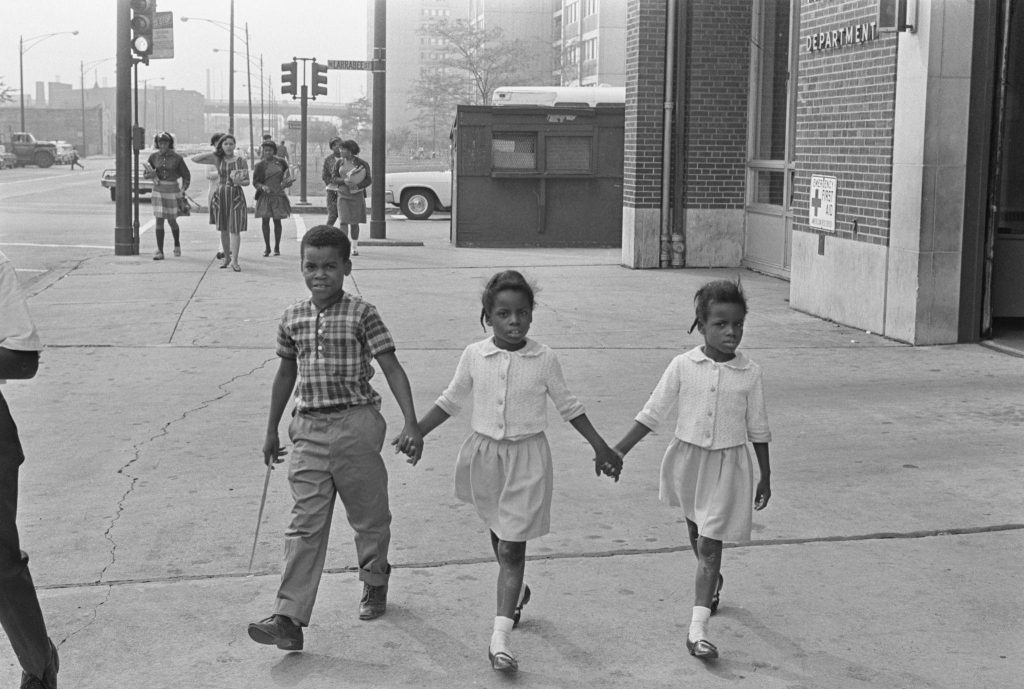
Michelle LaVaughn Robinson was born on January 17, 1964, in Chicago, Illinois. She grew up in a small apartment on the South Side, a neighborhood known for its tight-knit working-class families and its deep roots in African American culture. Her father, Fraser Robinson III, worked as a city pump operator despite living with multiple sclerosis. Her mother, Marian Shields Robinson, was a homemaker who later became a secretary. Neither of her parents had a college degree, but education was not negotiable in the Robinson household. Michelle and her older brother Craig were expected to work hard, read often, and never use their circumstances as an excuse. That ethos would define the rest of Michelle’s life. She skipped second grade. She was on the honor roll consistently. And when the time came for college applications, she set her sights on Princeton University. There were counselors who told her she was not “Princeton material.” She applied anyway. She got in. At Princeton, Michelle studied sociology and African American studies. She wrote her senior thesis on the experiences of Black alumni at the university and how their time there shaped — or sometimes diminished — their connection to the broader Black community. The thesis was personal, honest, and a bit uncomfortable for the institution. It was a preview of the kind of woman Michelle would become: one who asks hard questions and does not flinch at hard answers.
Harvard, Chicago, and a Man Named Barack
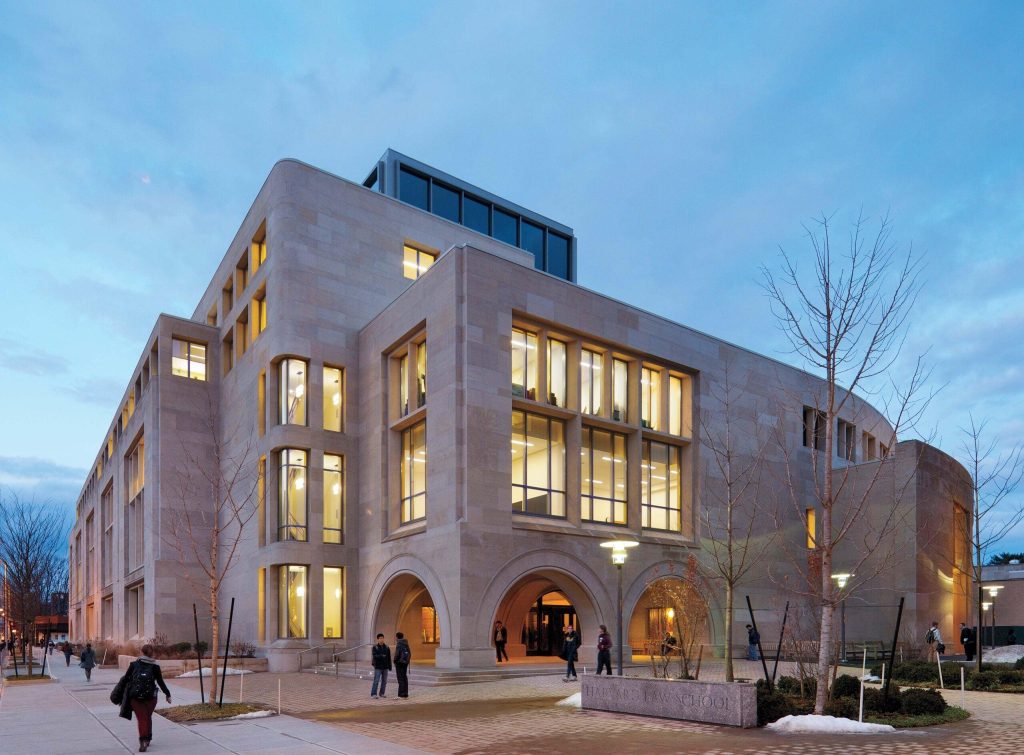
After Princeton, Michelle went to Harvard Law School. She earned her Juris Doctor in 1988 and returned to Chicago to work at the law firm Sidley Austin. It was there, during the summer of 1989, that she was assigned to mentor a young summer associate from Hawaii with a funny name: Barack Obama. She was not immediately interested. He was charming, sure, but she was his advisor and she took professionalism seriously. He asked her out multiple times before she finally agreed. Their first date was a trip to see Spike Lee’s “Do the Right Thing,” followed by ice cream. Thirty-plus years of marriage later, that story still feels like something out of a novel. After their wedding in 1992, Michelle’s career took a turn from corporate law toward public service. She worked in the Chicago mayor’s office, at the University of Chicago, and eventually became the vice president of community and external affairs at the University of Chicago Medical Center. She was building something meaningful — a career focused on lifting communities, not billable hours.
First Lady: Redefining the Role
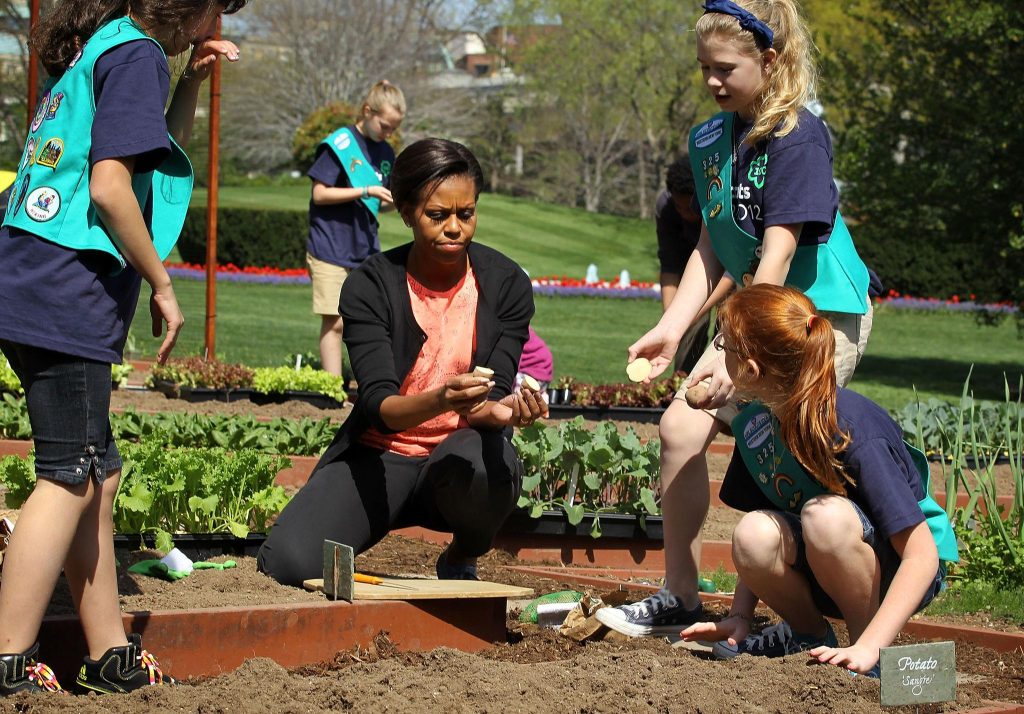
When Barack Obama was elected President of the United States in 2008, Michelle stepped into a role that had been historically defined by quiet grace and supportive smiles. She respected the tradition. But she also had absolutely no intention of being quiet. Her first major initiative was “Let’s Move!” — a nationwide campaign to combat childhood obesity. It was not just a ribbon-cutting exercise. Michelle got on the ground. She planted a garden on the White House lawn. She danced with kids on television. She pushed for healthier school lunches. Some people loved it. Some criticized her for “telling people what to eat.” She kept going. Then came “Reach Higher,” an initiative encouraging young people — especially first-generation students — to pursue education beyond high school. Then “Let Girls Learn,” a global effort to help adolescent girls get access to education. Then “Joining Forces,” supporting military families. Each initiative reflected something Michelle genuinely cared about. They were not political calculations. They were extensions of the values she grew up with on the South Side of Chicago: education matters, community matters, health matters, and nobody gets left behind.
The Weight of Representation
Being the first Black First Lady of the United States is not something you can fully understand unless you have carried a similar weight. Every outfit she wore was scrutinized. Every word she said was analyzed through a lens that few of her predecessors had to endure. She was compared to fashion models and to political figures simultaneously. She was expected to be dignified but approachable, strong but not intimidating, outspoken but never “too much.” And through all of it, she never stopped being herself. When she hugged the Queen of England — breaking protocol — the world talked about it for days. When she wore a sleeveless dress — showing her arms — some commentators treated it as a national controversy. When she danced on television or cracked jokes on talk shows, critics questioned whether it was “presidential” enough. But for millions of women — Black women especially — those moments were everything. They were proof that you could be the most powerful woman in one of the most powerful nations on earth and still be joyful, still be human, still be real.
After the White House
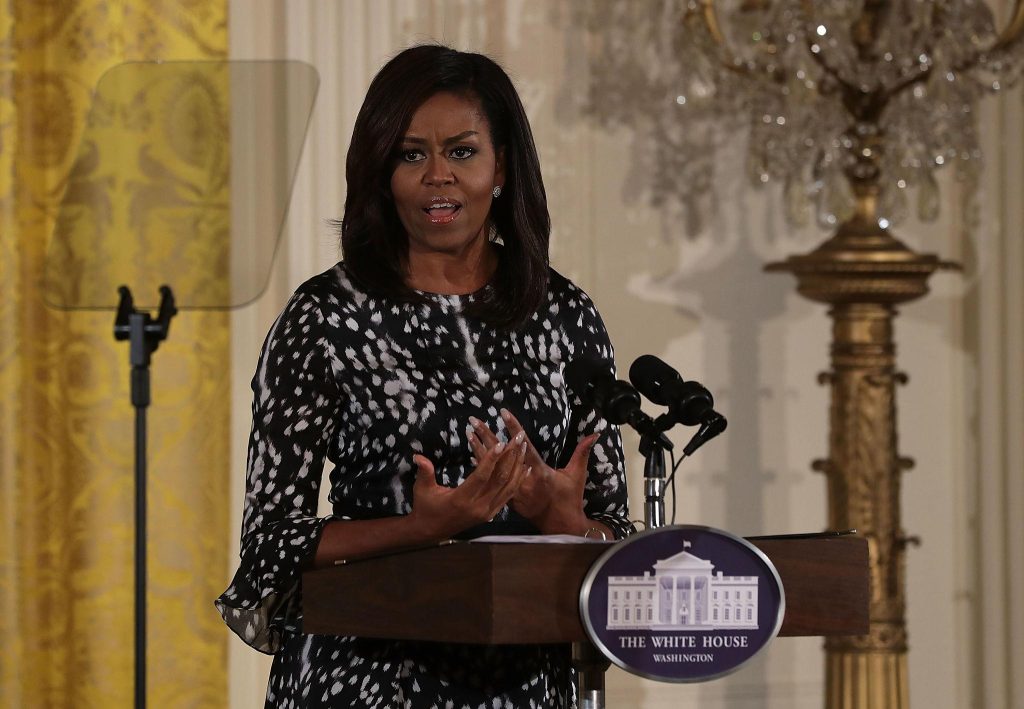
When the Obamas left the White House in January 2017, Michelle could have retreated into private life. Instead, she wrote “Becoming” — a memoir that became one of the best-selling books in modern history, moving more than 17 million copies worldwide. The book was raw. She wrote about her struggles with fertility and IVF. She wrote about the fear she felt for her daughters growing up in the public eye. She wrote about the loneliness that comes with being First Lady and the complicated feelings she had about her husband’s decision to run for president. The “Becoming” book tour was unlike anything the publishing world had seen. She filled arenas — not auditoriums, arenas — with tens of thousands of people who came not for a political speech but for a conversation. She showed up in sequined boots and spoke about the things that mattered to her with the kind of directness that most public figures are terrified of.
What That Quote Really Means
So when Michelle Obama says she showed the world that you can be smart, beautiful, and a Black woman, she is not being boastful. She is being factual. She lived it — in front of the entire world, under a microscope that would have broken most people. She was a Princeton and Harvard graduate who was still asked to “prove” her intellect. She was a loving mother who was still questioned about her priorities. She was a woman who worked tirelessly for public health and education and was still reduced to what she was wearing on any given day. And yet she stood tall. Every single time. That is what the quote is about. It is about defiance — the quiet, powerful kind. The kind that does not scream for attention but earns it through relentless authenticity. It is a reminder that Black women do not need to choose between being intelligent, being beautiful, and being proud of who they are. They can be all of those things at once.
The Legacy She Is Building
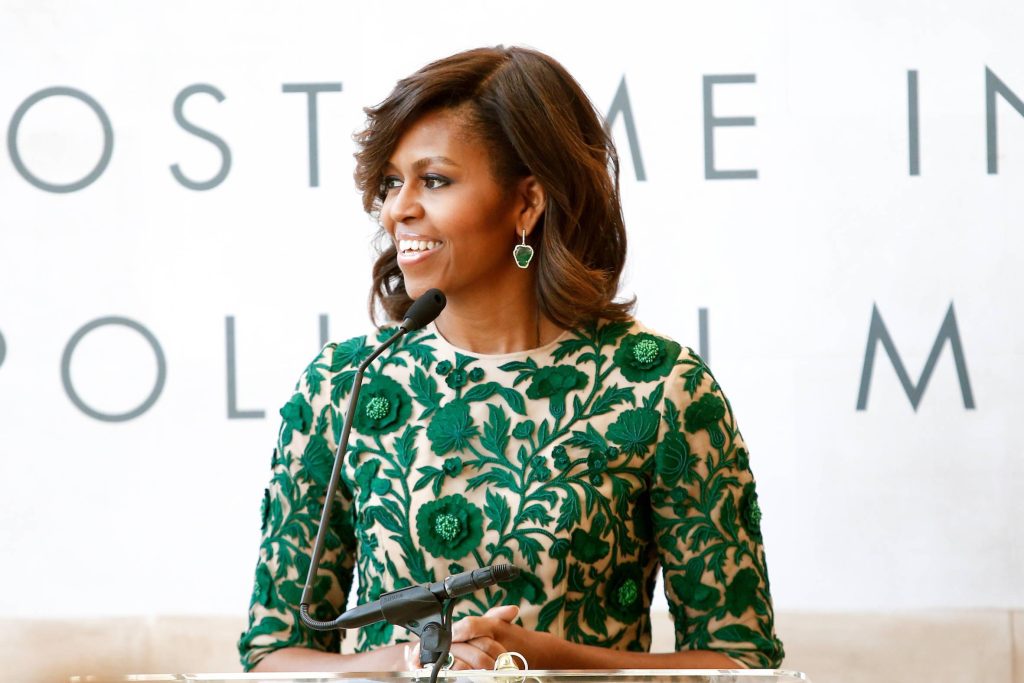
Michelle Obama is not done. Through the Obama Foundation, she continues to invest in the next generation of leaders. She speaks publicly about mental health, about the challenges women face, and about the importance of civic engagement. She has become something that very few former First Ladies have become: a cultural figure whose influence extends far beyond politics. Young women around the world point to her and say: “That is what I want to be.” Not a politician. Not a lawyer. Not a First Lady. Just someone who walks through life with purpose, intelligence, and grace — and who refuses to dim her light for anyone. That is the power of Michelle Obama’s words. They are not just a quote on a social media post. They are a lived experience, decades in the making, offered to the world as both a celebration and an invitation. Be smart. Be beautiful. Be proud of exactly who you are. Because Michelle Obama already showed us that it is not only possible — it is magnificent.
Leave a Reply